Eat Your SPF: How To Protect Your Skin Through Your Diet This Summer via Elite Daily

As nutrition experts, we are most frequently asked questions about food as it relates to the waistline. Don't get us wrong, we love talking about slimming foods! But we have to admit we get extra excited when we are asked about food as it relates to health, in terms of preventing disease or combating cell damage. 

Check out our piece on foods that help prevent against sun damage on elitedaily.com. 

That's right, there are certain foods that are particularly high in antioxidants and anti-inflammatory agents, which help to negate free radical damage, such as that caused by the sun. Be sure to check out which foods you want to make sure you're eating enough of this summer! 


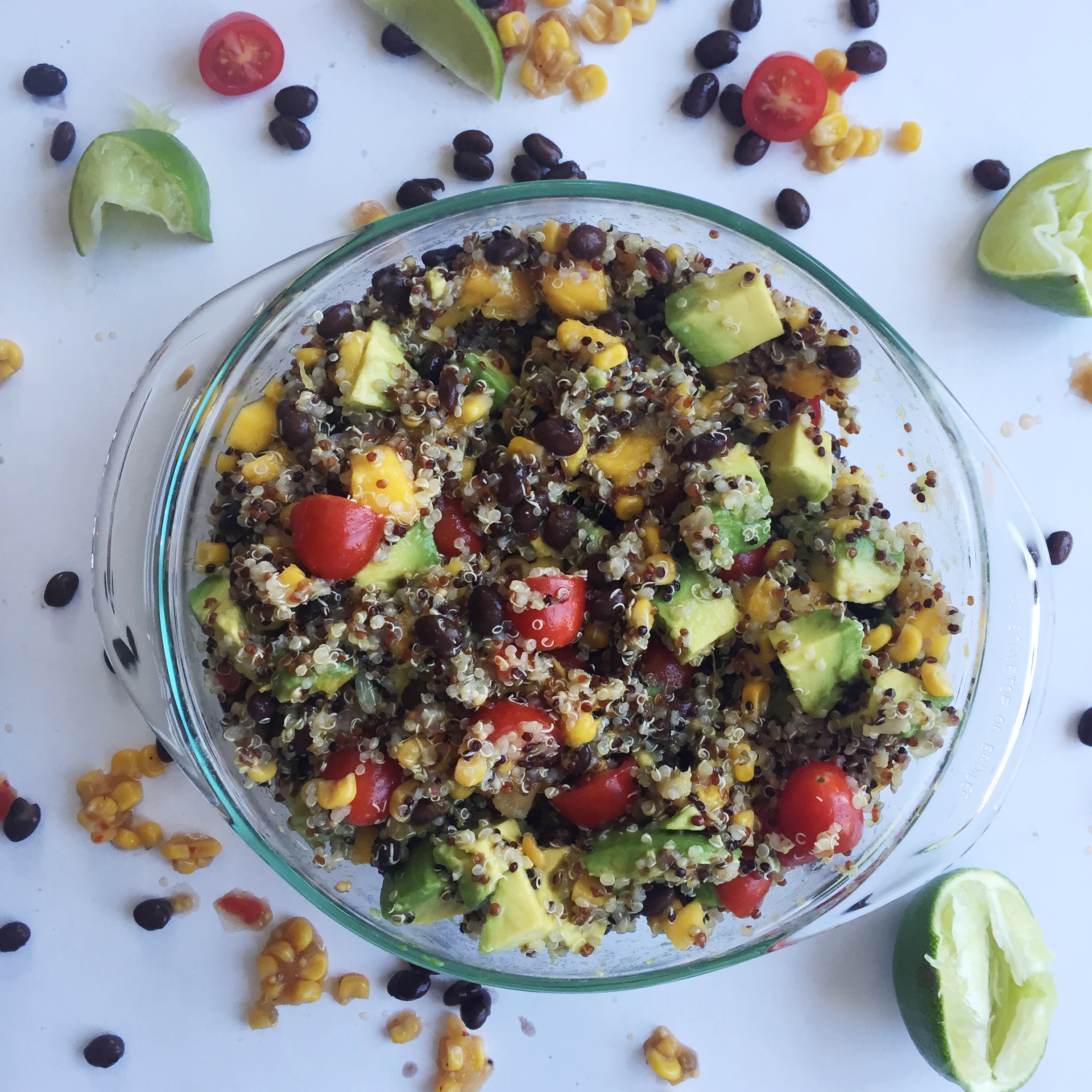
Quinoa-Mexicana Salad

We're always in for Mexican food, but between the tacos, tortilla chips, and queso, it's fair to say that Mexican cuisine often comes with a price tag. And we're not talking money. That's why we've added a Mexican flare to your standard quinoa salad. This is a Tovita favorite because it combines a high-protein whole grain with fibrous fruits and veggies. Between the black beans and the quinoa, this dish can stand alone as a meal or make for a delicious side. Make a batch of this versatile recipe to have on hand for the busy week, or get creative and showcase it at your next dinner party stuffed in fresh crispy peppers. Promise, this one's a crowd pleaser.

quinoa salad

Ingredients (serves ~6-8):

  • 1 cup quinoa (any color of preference)
  • 1 cup black beans
  • 1 cup corn (optional: use Trader Joe's corn salsa)
  • 1/2 large avocado, cubed
  • 1/2 cup mango, diced 
  • 1/2 cup grape tomatoes, halved
  • 4 limes, sliced 

Directions: 

  1. Prepare 1 cup dired quinoa over stove (1 cup dried quinoa + 2 cups water. Bring to boil. Once at boil, turn heat down to simmer. Place lid on top of pot and cook until water is evaporated). 
  2. Once cooked, move quinoa into large bowl and set aside to cool. 
  3. Add black beans, corn, avocado, mango, and tomatoes to quinoa. Mix evenly. 
  4. Squeeze limes over salad and stir evenly (may use more or less as desired).
  5. Place in refrigerator and allow salad to cool for at least 4 hours.
stuffed peppers

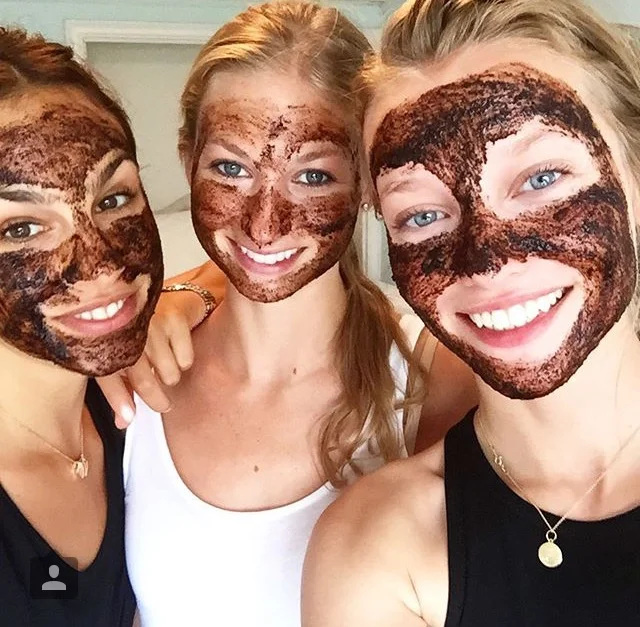
DIY Coffee Scrub Face Mask

Tired of paying for expensive face masks and skin treatments? We feel you, which is why we're so excited to introduce Emily Van Raay, our beautiful friend and founder of Models for Wellness.  She is showing us how she gets her glowing skin using a few kitchen staples. Trust us, you will love how bright and soft your skin feels afterwards!

Ingredients (to make for 2):

  • 1 cup ground coffee
  • 1/2 cup honey
  • 2 tbsp sea salt
  • juice from 1 lemon
  • 2 tablespoon apple cider vinegar (to apply after the mask)
facemask

Flourless Banana Pancakes

We all love a good short stack, but between the white flour, butter, and powdered sugar, we would be lying if we said we eat them feeling guilt-free. We believe that your diet shouldn't be about sacrifice, but instead should revolve around balance and moderation. In this case, we decided to modify one of our favorite breakfasts by swapping out the refined sugars and adding healthy ingredients. These flour-free, protein-packed, banana pancakes are a Tovita breakfast staple and will make you feel good about starting your day. 

paleo pancakes


Ingredients (serves 2)

  • 2 bananas
  • 4 eggs
  • 1 tbsp vanilla extract
  • 1 tsp cinnamon
  • 1 tbsp chia or flax seeds
  • 1 tbsp coconut oil for cooking
  • 1 tbsp maple syrup
  • Optional: blueberries to add to batter, coconut flakes to sprinkle on top

Directions:

1. Mix bananas, eggs, vanilla extract, chia seeds, and cinnamon in blender until batter-like consistency.

2. Heat pan on medium-low with coconut oil. Add handful of blueberries to batter.

3. Cook 2-3 pancakes at a time to avoid breaking. These are less dense than regular pancakes!

4. Drizzle maple syrup on top and sprinkle coconut flakes for decoration.


Mister Spoils: You Asked, We Answered

A few weeks ago we teamed up with Mister Spoils and held an "ask us anything" event for 24 hours. We received a nice mix of thoughtful questions and concerns about diet and health. Since many of you had similar questions, we decided to compile a list of the top 5 most frequently asked questions and share the answers with all of you. Don't worry, your questions remain anonymous. We wouldn't do that to you.

1.    Is the Paleo Diet good for me?

The Paleo Diet was developed on the premise that we should be eating the way our cavemen ancestors once ate. In our modern world, there are pros and cons to eating like a caveman.

The diet encourages tons of healthy foods, like vegetables, fruits, lean meats, nuts and seeds, and healthy fats. It also says unhealthy foods like refined sugars and processed foods are a no-go. We’re all for these recommendations. The downside is that it eliminates foods that we think are important for good health.  For instance, whole grains like quinoa, whole wheat, and brown rice are packed with fiber and nutrients. Studies have shown that the optimal source of fuel for our brains is carbohydrates, meaning it’s important to make healthy carb choices to maximize brain function. Legumes like lentils and garbanzo beans are also good sources of vegetarian protein and are packed with fiber, which helps to keep us feeling full and satiated.

Dairy is a bit more controversial. Many people are lactose intolerant to begin with, and other people may have adverse reactions to milk proteins. In these cases, we recommend avoiding dairy. On the contrary, some people tolerate dairy just fine. If this is the case for you, dairy can be a great way to get your protein and calcium fix, and foods like low fat Greek yogurt or cottage cheese make convenient on-the-go snacks.

 2.    What is the best food to eat after a workout?

The key to refueling after a workout is a balance of protein and carbohydrates. Protein helps your muscles recover from wear-and-tear and carbohydrates replenish your energy stores. We recommend having a snack or light meal (depending on time of day) 30-60 minutes after exercising. During this window muscles are most efficient at building protein.  Instead of buying protein powders, which are highly processed and isolate just one nutrient, we suggest getting your protein from natural sources that provide several benefits to your body. Great protein sources include lean meat, Greek yogurt, nuts, eggs, or other low fat diary. Nuts and dairy are post workout all stars because they provide both protein and carboyhydrates. Another Tovita tip: ditch the high electrolyte sports drinks. Unless you are performing a high intensity workout for over an hour, there is no reason for sugary sports drinks, so stick to water for hydration. Bananas are a great source of potassium and magnesium, which aid in muscle function and help to prevent cramping and soreness.

Some ideas?

  • Banana with 1 tbsp natural peanut butter
  • A protein packed smoothie with ½ cup almond milk, ½ cup Greek yogurt, ½ frozen banana, 1 tsp peanut butter
  • Greek yogurt with 1 tbsp almonds
  • Turkey and cheese roll ups (4 slices of turkey, 2 slices part skim cheese)
  • Salad with grilled chicken or fish
  •  ½ cup low fat cottage cheese with ½ cup berries and 1 tbsp hemp seeds
  •  Can of light tuna mixed with 2 tbsp hummus and 1 serving of whole grain crackers

3.    I have a sweet tooth, but I’m not ready to give up sweets completely? What is a healthy substitute for dessert that won’t destroy my entire diet?

The Tovita philosophy is centered on balance and moderation. We don’t believe in completely eliminating foods that you enjoy. When you deprive ourself of the foods you crave, it eventually tends to backfire and can lead to unhealthy binge eating behavior. When it comes to that sweet tooth, there are ways you can make conscious indulgences that won’t “destroy your entire diet.” Firstly, we’re proponents of the 3-bite rule. Studies have shown that the first and last bites of a dessert are the most satisfying. So there you have it. Secondly, we say go for the dessert that confers some health benefits, like dark chocolate! You’ve probably heard this before, but the research is real. Studies have shown that dark chocolate is choc full of nutrients and antioxidants. The higher the percent cacao (aka the darker the chocolate), the less sugar it will have and the higher the nutrient content. If you’re a chocolate lover, we recommend ALOHA dark chocolate. Their chocolate bars are infused with combinations of fruits, greens, and nuts, which provide an additional antioxidant kick. Feel free to use our code “Tovita20” at checkout for a 20% discount on your order. You’re welcome.

4.    Is there any food that cures a hangover?

We wish! Unfortunately, there is no magic fruit or healing beverage that negates the pain of a hangover (if anyone finds one though, email us immediately). You can, however, take some of our tips to help you reduce the chances of being hung over after a night out.

  1. Drink water in between each alcoholic beverage. You’ve probably heard this before, but there is good reason for it. Alcohol dehydrates your body, so do yourself a favor and replenish your cells!  
  2. Notice how we said WATER versus Gatorade, or coconut water, or any other sugary drink. Yes, these beverages are loaded with electrolytes, but they’re also sources of added sugar to your diet. Sugar is inherently dehydrating and can exacerbate a hangover. Ultimately, these drinks just become extra sources of calories.
  3. In conjunction with tip #2, avoid mixing your liquor with caloric mixers – AKA juice, soda, tonic water. Yes guys, tonic water is loaded with sugar and calories so don’t be fooled by its transparent appearance. Go for seltzer water with lemon or lime.  
  4. Sleep. It’s not a food, but it’s worth mentioning. Not only do hangovers make you feel like there is a mini rock band practicing in your brain, but alcohol also disrupts your sleep cycle. This explains why you often wake up early regardless of whatever time you went to bed. Alcohol interferes with your REM sleep, so both quality and length are reduced.

For the time being, lots of water, sleep, and possibly some Advil remain your best remedies. 

 5.    Best ways to lower cholesterol?

Before we dive into cholesterol-lowering methods, we’re going to play doctor for a moment and give you some cholesterol 101.  Cholesterol is a fat-like substance found in cell walls, from your liver to your heart. You need cholesterol to perform bodily functions like producing hormones, vitamin D, and other substances. The good news is that your body is able to make all of the cholesterol that it needs to operate, so you don’t actually need to get it from your diet.

If there is too much cholesterol in your blood, it can build up and become trapped in arterial walls or can lead to the formation of blood clots. Both of these scenarios ultimately reduce blood flow and increase the risk for a heart attack. The important concept to understand is that having high cholesterol increases your risk for heart disease.

You cannot control certain risk factors like age, sex, and family history. However, there are things that you can control. First, let’s understand what these factors are and then we’ll discuss what you can do about them.

Factors that may raise cholesterol:

  1. Saturated fat
  2. Trans fats
  3. Cholesterol
  4. Being overweight
  5. Physical inactivity

How to reduce cholesterol:

1.     Research seems to show that saturated fat raises cholesterol more than any of the other dietary risk factors. Saturated fat is usually solid at room and refrigerator temperatures and is found in foods from fatty cuts of animal meat, such as chicken with the skin, fatty meat, whole milk diary, and some vegetable oils. Focus on reducing the amount of saturated fat in your diet. Note: trans fats, which are found in hydrogenated foods, like margarine or fried foods, should also be avoided. However the Western diet tends to be higher in saturated fat than trans fats.

2.     Increase the soluble fiber in your diet. Soluble fiber reduces LDL cholesterol (bad cholesterol) because it dissolves into a gel-like substance in your intestines and blocks cholesterol from being reabsorbed into your blood stream. Food sources of soluble fiber include whole grains like oatmeal, oat bran or barley, the inside of fruits like bananas, peaches, apples, or berries, and beans or legumes, like kidneys beans, pinto beans, or lentils.

3.     Being overweight increases your LDL cholesterol (bad cholesterol) and lowers your HDL cholesterol (good cholesterol). It is also a risk factor for developing other cardiovascular complications and even some cancers. 

4.     Stay physically active. This doesn’t mean you need to run a marathon or take up bodybuilding. It really means that you should try to be moderately active for at least 30 minutes most days. You can even take a brisk walk – that counts too! 

Pop off July Fourth with these Coco-Cherry Popsicles

Popsicles take us back to our childhoods, when we had red juice dripping down our chins and blue tongues for days. We like the idea of a refreshing snack for Fourth of July, so we’ve added the Tovita touch to our grade school favorite by replacing the high fructose corn syrup and artificial colors with fresh ingredients. These coco-cherry popsicles are made simply from fresh (or frozen) fruit, Greek yogurt, and a touch of coconut flakes. These guys are a great go-to snack because they combine fiber, protein, and healthy fat - the perfect recipe to hold you over ‘till your evening BBQ.

Ingredients (serves 4):

julyfourthpops.jpg

~10-12 pitted cherries (fresh or frozen)

5 tablespoons nonfat Greek yogurt

¼ cup vanilla almond milk

4 teaspoons coconut flakes

1 tablespoon honey (optional)

Directions:

  1. Add cherries to blender and puree with a touch of water for about 5 seconds.
  2. Add 1 teaspoon of coconut flakes into each individual popsicle mold (found at most grocery stores). Then evenly distribute the pureed cherries to each popsicle mold.
  3. Separately, blend Greek yogurt, almond milk, and optional honey for about 3 seconds.
  4. Evenly distribute yogurt mixture into the Popsicle molds.
  5. Allow popsicles to freeze for at least 5 hours. When ready to enjoy, run under cool water for about 30 seconds, or until the popsicle is easily removed from mold.

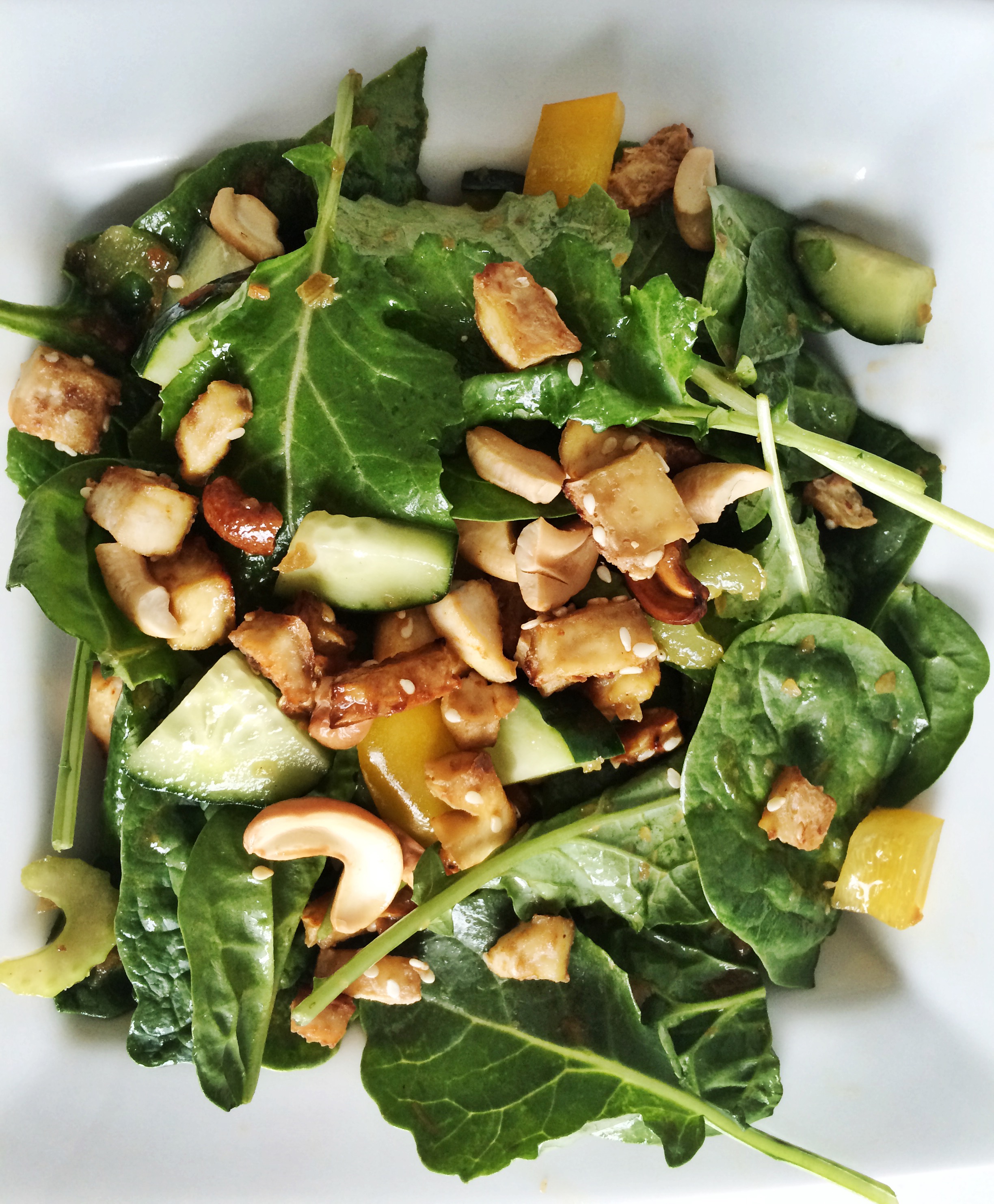
Asian Sesame Tofu "Croutons"

We all love a good Asian style salad but between the fried wonton strips and the heavy peanut dressing, we succumb to the black hole of hidden calories and saturated fat. That's why we've put the Tovita touch on one of our favorite meals. These versatile tofu-croutons are the healthy crunch factor your salad needs.

tofu croutons.jpg

Ingredients

  • 1 block of extra firm tofu, drained and sliced into ¾ inch cubes
  • 2 tablespoons Bragg’s Liquid Aminos (or low sodium soy or tamari sauce)
  • 1 tablespoon sesame seeds 
  • ¼ cup halved cashews (optional)

Directions

  1. Preheat oven to 400 degrees F
  2. Cover a baking sheet with aluminum foil or spray with oil to prevent sticking
  3. In a bowl, toss the cubed tofu, sesame seeds, and cashews in the sauce
  4. Bake for about 30 minutes, or until tofu becomes crunchy and crouton-like

Add to Asian style Salad pictured with:

  • 4 cups baby kale and spinach
  •  1 bell pepper, chopped 
  •  1 Cucumber, chopped
  • 1/4 cup Red onion, chopped
  •  2 stalks celery, sliced
  •  2 Tablespoons sesame ginger dressing (we like Annie's Organic Sesame Ginger)

(serves 2)

*Option to add avocado, broccoli, cabbage, mushrooms, or your favorite veggies. Get creative!

Other ideas:

  • Add to zucchini noodle pad thai
  • Asian style stir fry with brown rice, quinoa, cauliflower “rice”, or buckwheat noodles

Pesto Turkey Burgers: Get Dad Grilling on Father's Day

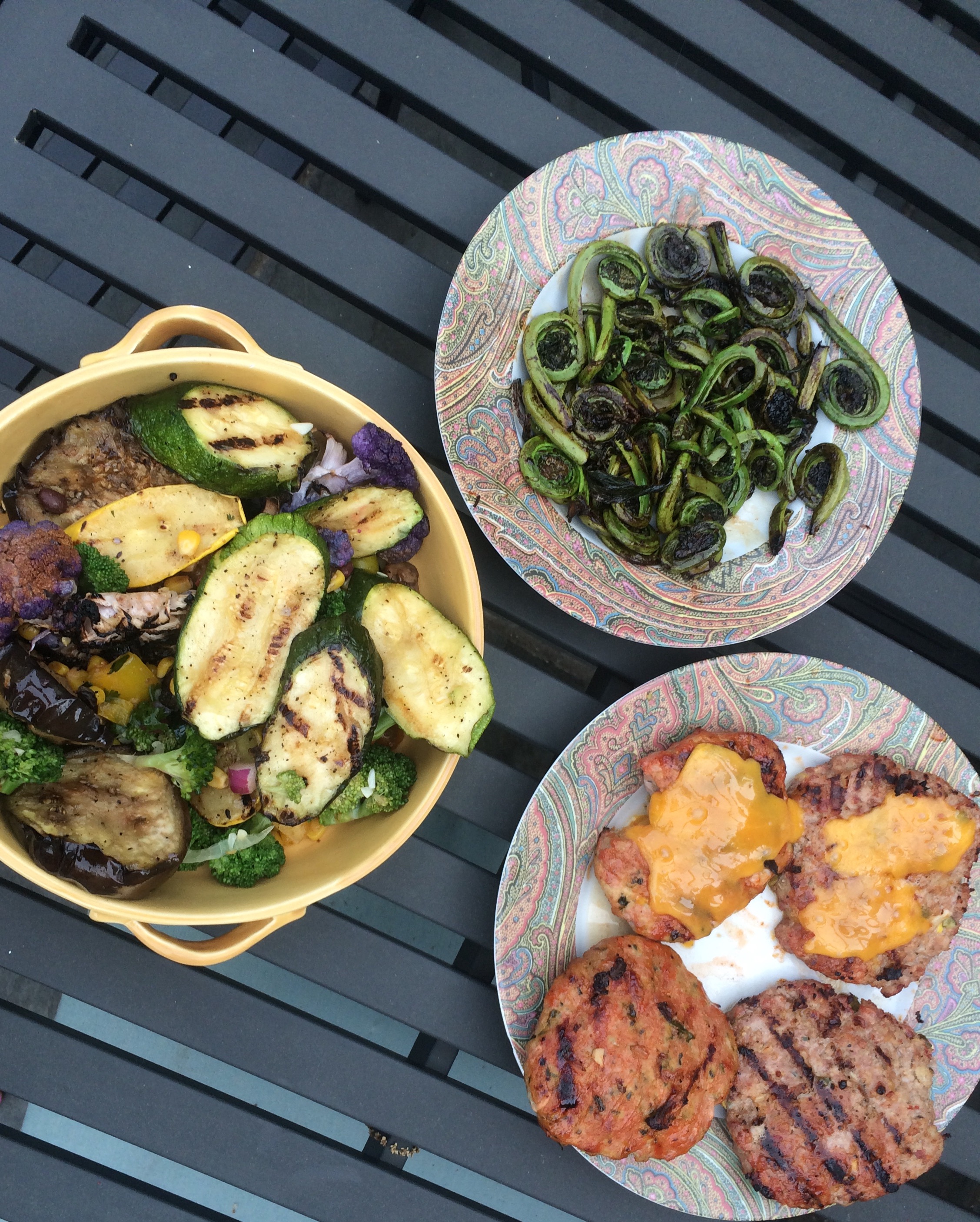
We gave you muffins for Mother's Day, but Dad will probably be more excited about a burger. This Sunday, impress your family with these 100% Tovita-approved turkey burgers. They are full of flavor, easy to prepare, and will give your dad a good reason to get behind the grill. 

Pesto Turkey Burgers

Makes: 3-4 patties

Ingredients:

turkey burgers
  • 1 lb organic ground turkey
  • 2 tbsp basil pesto
  • 1 tbsp shredded parmesan
  • 1 clove garlic, minced
  • 1 pinch salt
  • freshly ground black pepper to taste

Directions

  1. In a large bowl, combine all ingredients

  2. Form 3-4 patties and grill on a hot grill or grill pan for 10-13 mins, turning once

  3. Serve over salad or on sprouted bread

Pictured are sides of grilled veggies and sautéed fiddle head ferns (the new brussels sprout in our opinion)

Happy Father's Day to all the amazing dads out there :)


Power of Probiotics

What are Probiotics?

Probiotics are beneficial bacteria that live in your intestines. There are over 500 types of probiotics, but their general function is to aid in digestion, boost your immune system, and prevent toxins and harmful bacteria from proliferating. Increased species diversity increases the efficiency and productivity of your digestive system, making you less susceptible to external stressors. Think about it simply, when probiotics are abundant in your colon, there is less room for harmful bacteria.  

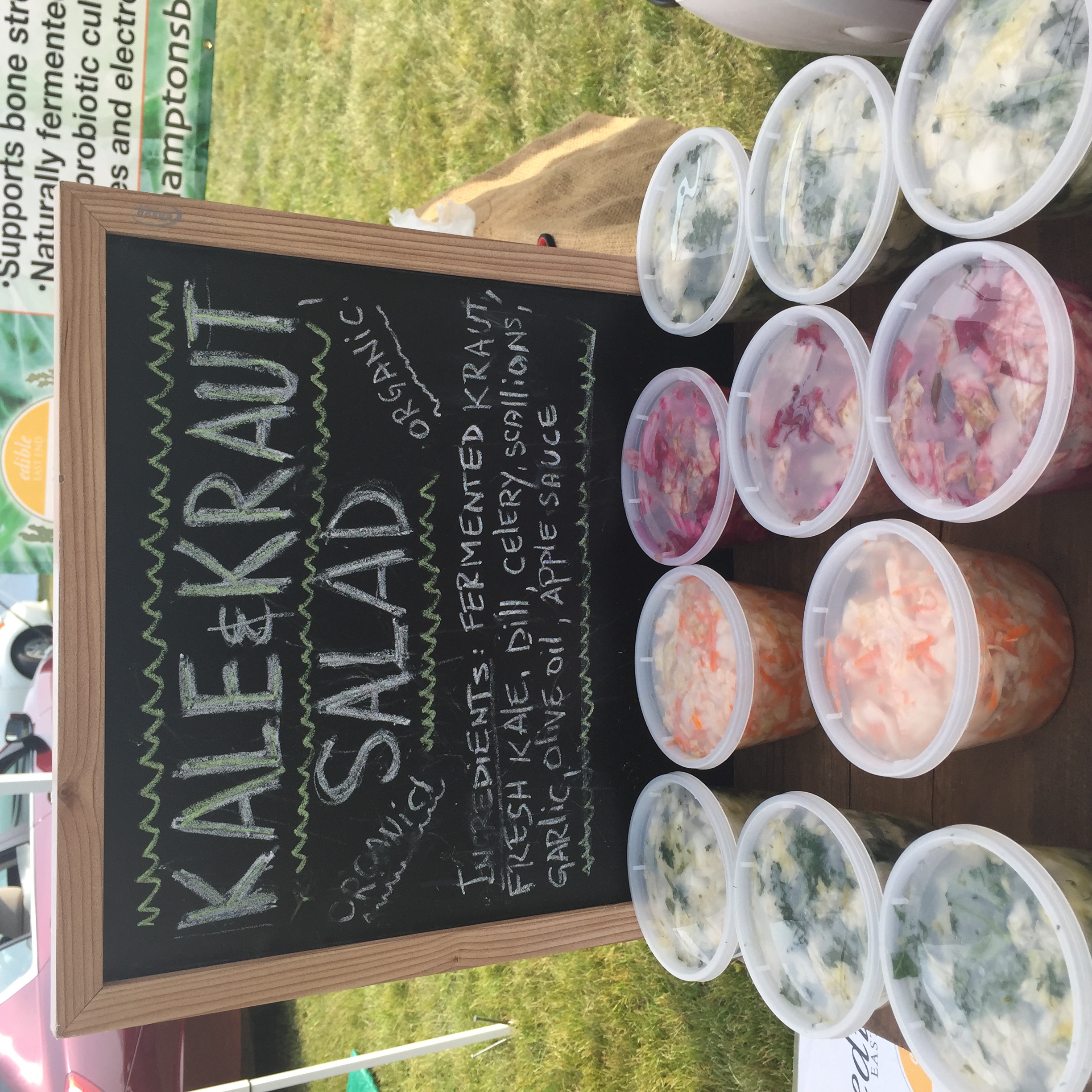
probiotic foods

Increasing your gut biodiversity results in easier digestion, reducing those less glamorous symptoms like gas, bloating, diarrhea and constipation. Probiotics are also essential for making some B vitamins, vitamin K, folate, and short-chain fatty acids. Short chain fatty acids  are a source of energy and may help prevent health complications including gastrointestinal disorders, cardiovascular disease by reducing synthesis of cholesterol in the liver, and colon cancer by preventing abnormal cells from growing. There is new research surrounding the gut-brain connection that suggests a healthy gut could possibly alleviate mood swings and anxiety. Have we won you over yet?

In the nutrition world, the relationship between probiotics and obesity is a hot topic. There are two categories of probiotics. The firmicute category is very efficient at extracting energy from food, while the bacteroidetes are not. Researchers are focused on figuring out if an imbalance of the two categories is a cause or consequence of obesity. One study found that after just 10 days on a "Western diet" of processed, high sugar, high fat foods, participants had significantly decreased their intestinal probiotic diversity.

Aside from consuming a diet with highly processed foods, frequently taking antibiotics kills off your good bacteria along with the bad. It can take up to two years to replace the beneficial bacteria killed from just one round of antibiotics. You might want to think more carefully before you take your next Z-pack… or at least be sure to take a probiotic supplement with it. 

Probiotics are "fed" by prebiotics, a special form of dietary fiber found in many fruits and vegetables. Your body is unable to digest these fibers so they instead act as a “fertilizer” for probiotics in the gut. Sources of prebiotics include the skin of apples, bananas, onions and garlic, bananas, Jerusalem artichokes, chicory root and beans. 

probiotics.jpg

Where to find probiotics?

Yogurt and Kefir: the probiotics in yogurt or kefir are easier to digest for those of you who are lactose intolerant, versus probiotics found in cheese or milk. Yes, these are all sources of dairy, however, yogurt and kefir naturally contain bacteria that help you digest lactose. Make sure to look for yogurts that have "live and active cultures" on the label because many yogurts are pasteurized and have lost much of their probiotic count. Non-dairy yogurts made of coconuts, rice, almonds, or soy may have added probiotics for those who have trouble digesting dairy.

Fermented foods: kimchi, miso, tempeh, tamari, fermented cabbage (sauerkraut) and cucumbers (pickles) are an amazing source of probiotics. The fermentation process transforms sugar and carbohydrates into probiotics.

Kombucha: this fizzy fermented tea combines over 50 kinds of microorganisms, digestive enzymes, amino acids and vitamins which, ease digestion and help the liver detox

If the foods listed above seem a little funky for you, you may want to try a supplement. Many probiotic supplements are killed by stomach acids before they reach the intestines, so look for one that has "controlled-release technology" or "beadlet technology" which can survive stomach acid and do not need to be refrigerated. Many doctors recommend a VSL#3 probiotic supplement, which is a cocktail of several strands of probiotics. If you have a specific GI issue, talk to your gastroenterologist before investing in supplements. 

Take daily for at least 2 weeks and let us know if you feel a difference!

Tovita Travels: Cartagena, Colombia

The palette of colors that pepper Cartagena are equally exciting as the fresh flavors of this city. Ceviche, grilled fish and exotic fruits are offered everyday along the shorelines and at every street corner. This of course means that staying healthy here is simple. 

playa blanca.jpg

In 4 days, we covered the old city by foot, spent a day at the famous Playa Blanca, and took a day trip to the Rosario Islands. Playa Blanca, the public beach of Cartagena, is certainly a sight to see. Picture white sand, clear blue water and persistent locals selling fruit, beads, and massages. Playa blanca definitely makes for an action-packed afternoon. However, if you are looking for a relaxing, private beach, this is not for you. We recommend that you check it out, but head over on a weekday to avoid the chaotic weekend crowds. 

The 45-minute boat ride to the Rosario Islands was well worth it. We had a quiet relaxing day on a small private beach. There are small bungalow hotels located on each island and the staff prepared a traditional Colombian lunch for us of fish soup, grilled fish and fried plantains. We stayed hydrated with fresh coconut water straight from the source.  

Now to the juicy stuff, where to eat:

La Vitrola:  The favorite by far. An old school restaurant that also serves as a jazz club. The fish was fresh and cleanly grilled, however the side dishes were rich and decadent. We ordered one grilled snapper with coconut risotto (still dreaming about it) and a grilled salmon with sautéed vegetables. *Note: Make a reservation in advance

ceviche

Best ceviche in town? Il Biloche Cebicheria or La cevicheria. Il biloche is more upscale and not to be missed, la cevicheria serves as your casual ceviche fix. You can't go wrong at either establishment. 

Maria:  This is a trendy restaurant with an island-meets-New York feel. The food was good, but unless you are there with a group and looking for a more rowdy scene, we felt it wasn’t worth writing home about. We ordered the seared tuna salad, mixed ceviche, and shared the bass fillet. 

La paleteria: best popsicles in town. Guilty of two-a-day. The guanabana flavor is the local favorite, but we couldn't resist also trying the banana split.

On every corner you’ll find fruit stands with fresh mango. The perfect refreshing snack to make it through the scorching afternoons. Planning a trip? Feel free to reach out for more recommendations on how to stay healthy in this magical city.

popsicles


Food and Fitness with Mahri

We’ve never been particularly graceful on the dance floor, but it didn't stop us from trying one of Mahri’s Body Conceptions classes. Mahri was a professional dancer and performer in New York City before venturing into the world of fitness. She was also a trainer at the Tracy Anderson Method and the creative director for FlyBarre at Flywheel Sports before developing Body Conceptions. Needless to say, Mahri knows a thing or two about body sculpting.

…. But it’s not just her classes that have us sweating. Her physique nearly mirrors perfection and her genuine energy is unmatchable. We wanted to know how she does it, so we sat down with her to talk a little food and fitness…

mahri

What does a day in the life of Mahri look like?

I get up between 5:30 and 7 am. My morning consists of a big breakfast and a walk with my dog. I then commute into the city (New York) where I lead 3-4 workouts per day. In between workouts I usually have meetings and take calls. I make my little stops for lunch and coffee between classes. In the evenings, I try to relax and have a nice dinner with my friends or my boyfriend. But of course, sometimes the end of the day still means going home and working.

What are 3 staples always in your fridge and why?

1.     Coconut Milk. I use it in my smoothies, coffee, and cereal.

2.     Bananas. I try to have one everyday as a source of potassium for my muscles. I’ve never had a muscle cramp in my life!

3.     Dog Treats. I’m not going to explain that one.

What is your go-to food before and after a workout?

Egg whites and turkey on a wrap before I workout. For me personally, I need to load up on protein and carbs because of how much I workout. I don’t tell my clients to eat as much as me though! After a class I go for a meal with protein, like the hummus wrap from juice press, or a salad with protein from Just Salad or Sweetgreen.

How do you stay hydrated between all of your workouts?

This is my biggest problem and I know I need to work on it. I don’t drink enough water because I don’t like it. It’s too plain! I do love WTRMLN WTR though – it’s just watermelon, water, and lemon juice. So I go for that.

What’s your favorite meal of the day?

mahri2

Breakfast. I go to bed sometimes dreaming of breakfast.

You’re on an island and can only bring 3 things with you. Go.

 1.     Music.

2.     Workout gear (so I can dance around).

3.     Bananas.

Any food you won’t touch?

Nope.

Favorite restaurant in NYC?

It’s between ABC kitchen and Peacefood café.

What do you tell your clients who want to look like you?

Everyone is different. It’s about finding something that’s sustainable that works for them. I’ll tell them to do my workouts in a way they can keep up, so it becomes something they crave. If they overdo it, it’s not going to last.

How many times per week would you recommend someone to do BoCo?

At least three times per week if they want to see how it affects their body. I also support cross training, like spin or cardio on top of BoCo.

Biggest mistake you tell clients not to make?

Don’t be all or nothing.

What song right now really gets your workout going?

Lift me up – David Guetta (feat. Nico & Vinz)

What does being healthy mean to you?

Living a sustainable, happy lifestyle that includes healthy choices everyday. If I put too many rules on myself I know I will break them.  It’s about creating a balance.


Fat Joe Smoothie

IMG_4528.JPG

Your morning coffee or your midday pick-me-up doesn't have to exist solely on ice. We love this smoothie because it provides the right amount of sustenance to get your day going or to get you through that 3:00 pm slump. Coffee lovers, this one's for you. 

Ingredients:

1/2 cup cold brew coffee

1 medium frozen banana

1/2 cup almond milk or soy milk

1 tbsp natural peanut butter 

1 tsp vanilla extract

Cinnamon to taste 

ice optional 

Directions

Add all ingredients to blender. Blend until smooth and creamy. Optional cinnamon to top it off. 

Spotlight On: Turmeric

This golden spice has a long history of medicinal uses and health benefits. Its first appeared in Ayurvedic medical texts which recommended turmeric ointment to relieve effects of food poising. It is also mentioned in traditional Chinese medicine to aid with digestion and liver function, arthritis pain, and regulating menstruation.

Today, turmeric is commonly used to facilitate healing of illnesses and ailments including: heartburn, stomach ulcers, gallstones, inflammation, and cancer. One study found that turmeric worked as well as ibuprofen for reducing osteoarthritis pain. Curcumin is a chemical found in turmeric that may have anti-inflammatory, anticancer, and antioxidant properties. 

popcorn

Other highlights? Turmeric has shown to increase the absorption of DHA in the liver. DHA is an essential omega-3 fatty acid that is only found in meat, fish, and algae. Many vegans and vegetarians have low DHA which increases their risk of cognitive-related complications such as anxiety, attention disorders, and depression. Turmeric can help convert ALA - an omega-3 fatty acid found in plant sources such as flaxseeds, walnuts and some vegetable oils - to DHA to decrease the chance of deficiency for vegetarians. 

Rather than turning to supplements, the best way to incorporate turmeric is as a cooking spice. The benefits are based on the use of the whole, intact herb allowing all of its components to work synergistically.

Try or Turmeric Popcorn for an easy way to incorporate this super spice. Homemade popcorn is a great snack because it tends to be low in calories and high in fiber.

Ingredients:

• 3 tbsp popcorn kernels

• 2 tbsp extra virgin olive oil for popping

• 1/2 tsp himalayan sea salt

• 1 tsp freshly ground black pepper

• 1 tsp garlic powder

• 1 tsp turmeric

• pinch of cayenne (optional)

 Directions:

1.     Place kernels in saucepan with olive oil on medium heat

2.    Add spices

3.    Place lid on pan and let it pop!

Serves: ~6 cups 

Cheesy Spinach Shirataki Noodles

Shirataki.jpg

Shirataki noodles come from the root of the konjac yam, a plant indigenous to Asian countries. They are made from the soluble fiber of the plant and are very low in carbohydrates and calories; the entire bag is about 30 calories! These guys are a great alternative to your favorite pasta dish. They are not meant to be eaten plain, and to be honest they are virtually flavorless, which means they’re awesome at soaking up whatever sauce or spices you dress them with. We will warn you that upon opening the package they won’t smell particularly pleasant; but with a quick rinse and boil, they’re good to go. Note: this is just one of our favorite ways to use these noodles… Feel free to get creative!

Ingredients (serves 1):

1 package of Spinach Shirataki noodles

2 tbsp homemade bruschetta (or your choice of tomato sauce)

 ¼ cup cherry tomatoes, halved

 1 tbsp parmesan cheese, shredded

 1 tbsp feta cheese, crumbled

 *note: feel free to add any of your favorite veggies to this dish

 Directions:

 1) Fill stock pot with ~3 cups of water and set to boil

2) Open Shirataki noodles and rinse with cold water for about 15 seconds. Add noodles to pot of boiling water and let simmer for 1 minute. (OR pat-dry and microwave for ~1 minute after rinsing)

3) Toss noodles, tomato sauce, cheese, and tomatoes into sauté pan and mix together until tomatoes are softened 

4) Serve!

This Week We're Sweating: Overthrow NY

Overthrow NY has got us hooked. We took Ronica’s underground boxing & burn class and we can tell you firsthand there is a good reason they call it a “burn” class.

Vibe: The Overthrow space is a former meeting spot for radical activists, and the grungy meets rebel-punk vibe most definitely lives on. Dim lights, neon signs, and high-energy music get you revved up to throw power punches. With just a single ring upstairs and a studio downstairs, the space itself is small which creates an intimate setting.  

Class: The boxing & burn class is a mix of boxing and cardio. When we weren’t throwing punches, Ronica had us shuffling, lunging, jumping and squatting. Though it’s a high intensity workout, you don’t have to be a pro to take this class.  Our class was filled with newbies (plus an SLT instructor!).

overthrow.jpg

Instructors: The instructors are pro fighters and top-level amateurs, but don’t let their muscles intimidate you! They are there to teach good form and they understand that you may not be the next Floyd Mayweather.

Be prepared: To sweat your butt off... and to have sore arms if you’re a newbie (the good kind of sore). There are no showers, so it may not be the best idea to take a class during your lunch break at work. Don’t expect a coat check either, but there is a small locker area downstairs where you can store your belongings. Wear sneakers. Overthrow provides wraps and boxing gloves.

Overall: Awesome mix of cardio and strength conditioning. You will leave feeling like a bada$$. As Ronica says, “fight through the burn!” 

Gluten: Friend or Foe? Get in the Know

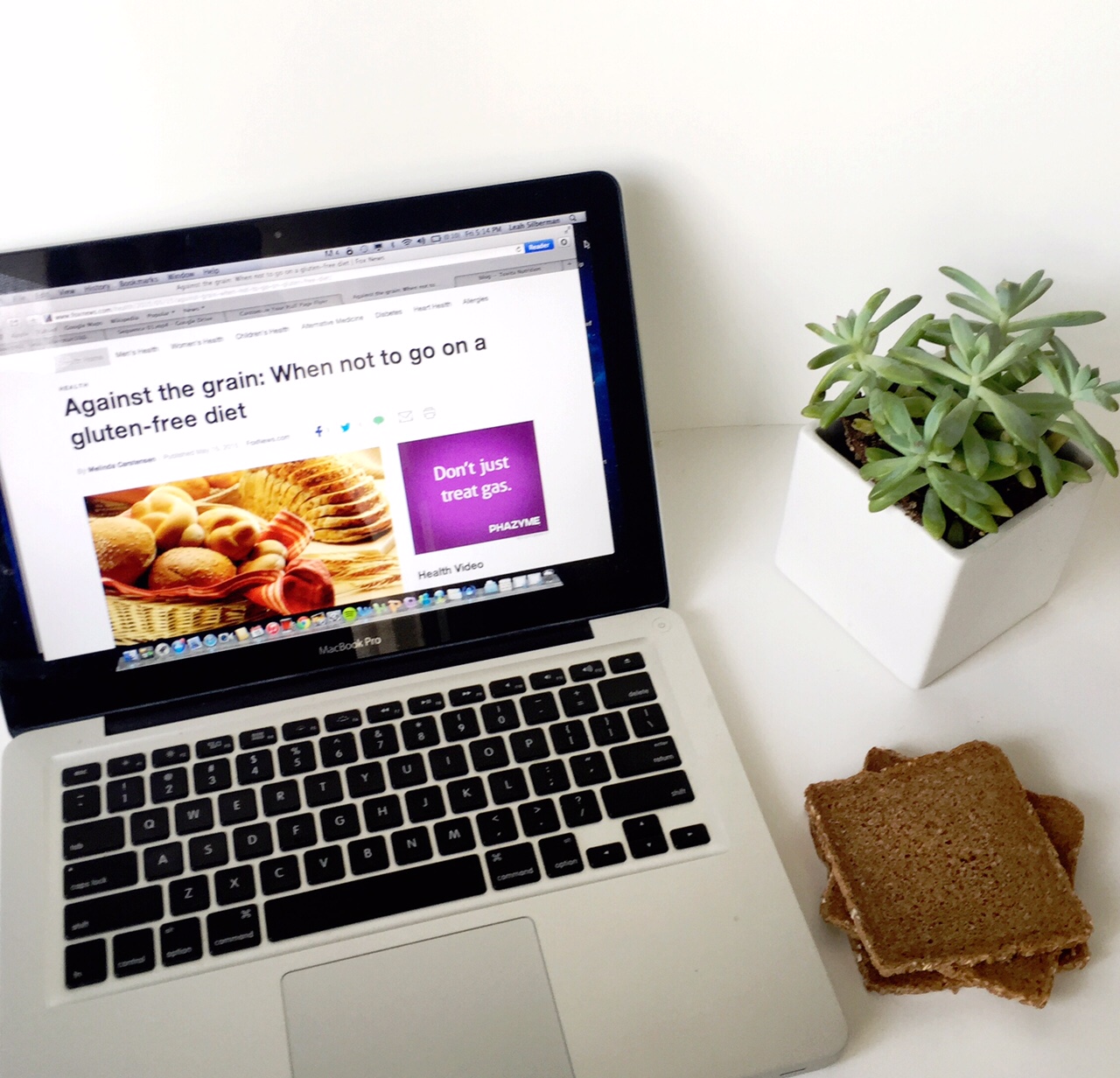
Health trends always come and go, but the gluten-free craze has stuck around for quite some time now. Experts predict that gluten-free food sales will exceed 16 billion dollars by 2016. Talk about a lot of dough! In spirit of our Fox News interview last week where we discussed the controversial gluten-free fad (and shared one of our own client's journey) we think you deserve a little fact versus fiction from your trusted dietitians when it comes to the breadbasket.

Let’s first define gluten so we’re all on the same page. If we've learned anything from Jimmy Kimmel’s “what is gluten”  video last year, it’s that square one is the best place to start. Gluten is a protein commonly found in foods containing wheat, rye, and barley. It provides many starch products with shape, texture, and elasticity. So, there you have it. Gluten is not some people-eating-cancer-causing bacterium that’s destroying humanity one bagel at a time. It’s just a protein, and it’s been the foundation of the Western diet since the start of civilization.

So why now does gluten have such a bad rep?

Celiac disease (CD), widely known as a gluten allergy, is an autoimmune condition that occurs in response to gluten consumption and can ultimately destroy the small intestine if not properly handled. This is a very real condition that should not be taken lightly. A blood test is used to screen for and an intestinal biopsy can further diagnose CD. The only treatment is strict, lifelong adherence to a gluten-free diet. For some people, the allergy is so severe that using a utensil that had previously come in contact with gluten can leave them with painful GI symptoms for days.

In the early 1990’s CD was under-diagnosed. Now, the National Institutes of Health estimates that 1% of the population suffer from CD. This is largely why gluten has made headline news so often in the last decade.

Non-celiac gluten sensitivity (NCGS) seems to be the condition that has people most confused. People with NCGS test negative for CD; however, they experience painful GI symptoms when they eat gluten-containing foods, similar to those of people who have CD. Furthermore, many people find that their symptoms subside when gluten is removed from their diets. Hmmm.

While scientists are working to configure an explanation for these people, research has provided some interesting theories. Some recent studies have shown that these GI symptoms may be due to other components found in carbohydrates. These other components referred to by their acronym “FODMAPS”  (which we will discuss in a future blog post) draw water into the intestine and can cause aggravating GI symptoms. In many instances gluten may not be the culprit after all.

Are there health risks to going gluten-free?

There are no major health risks to going gluten-free. However a common misconception about gluten-free food is that it is healthier than gluten-containing foods. This is completely false and in fact, processed gluten-free foods are more likely to lack certain vitamins and fiber than gluten-containing foods. We are all in favor of a balanced diet full of fruits, vegetables, lean proteins and gluten-free grains like quinoa and brown rice. Gluten free cupcakes and pizza? Not so much.

Gluten-free food tends to be expensive. If you’re not certain that gluten is the reason for your GI discomfort, you may want to think outside the box.

What should I do now?

If you have CD, you already know that you are GF4L (gluten-free for life). If you think you have NCGS and you feel better on a gluten-free diet, then keep it up! If going gluten-free hasn't helped your GI symptoms, then perhaps it’s time to take a closer look into your diet. We suggest using a food journal to help you recognize triggers. The triggers may be,  but are certainly not limited to, portion size, stress, or specific foods. 

A nutrition plan is not "one-size-fits-all." We're simply here to educate you. Now that you're in on the gluten gossip, the choice is yours! 

What's Up With Supplements?

These days both the amount and variety of vitamins and nutritional supplements on the market are enough to make you dizzy. While some claim to cure depression and others promise to reduce blood pressure, endless options make you wonder if you’re getting enough nutrients. We’re here to help you separate fact from fiction so you can make informed decisions about what you’re putting into your body.

Food Vs. Pills

Let’s dive right into the million-dollar question: Do you need to be taking a daily multivitamin?

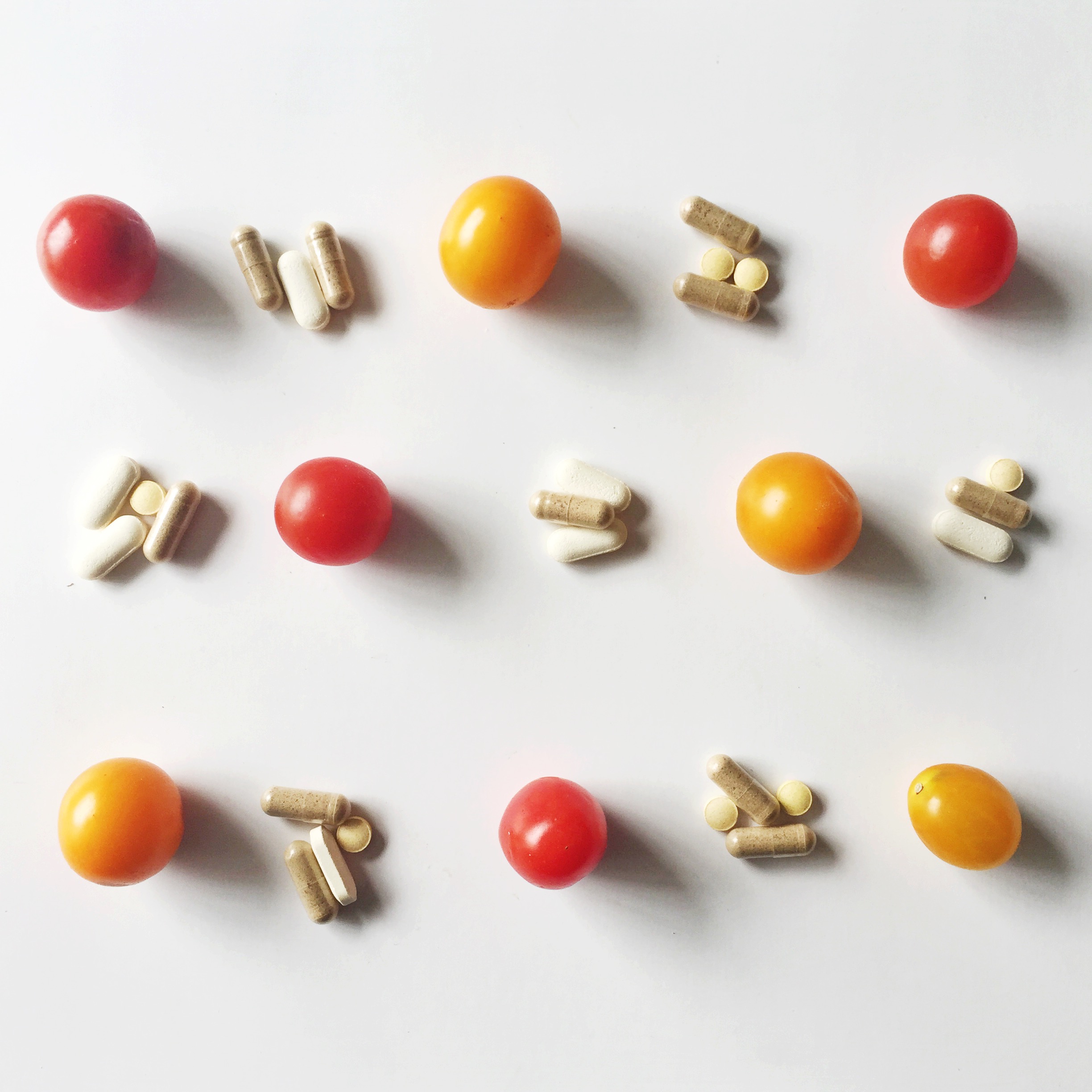
The short answer is that most of us don’t need dietary supplements at all. Not even a multivitamin. If you are able to maintain a healthy diet that includes a variety of fruits, vegetables, whole grains, healthy fats and lean protein sources, chances are you are getting adequate nutrients. Making the most of your diet should be your number one goal, because taking a synthetic vitamin is not the same as nurturing your body with nutritious foods. Whole foods optimize your health by providing your body with a synergy of nutrients. A single fruit or vegetable contains a variety of vitamins, minerals, and antioxidants, which an over-the-counter supplement does not identically mimic. Take a vitamin C pill and a serving of blueberries, for example. The blueberries will deliver antioxidants, fiber, vitamin C and a host of other nutrients. If you opt for the pill, you're missing out on the other benefits that the whole fruit naturally offers. 

Of course, the pill offers a concentrated dose of a given vitamin or mineral which a single food usually doesn’t provide. The catch is that your body probably doesn’t need the mega dose.

So who does need to take a supplement?

As with most rules there are some exceptions. Those of you who are at risk of becoming deficient in a particular vitamin or mineral would likely benefit from a supplement. You may fall into in the “at risk” group if you are on a restrictive diet, you are a vegan or a vegetarian, you are an older adult (50+), you are pregnant, or if you have a medical condition that limits your food choices or increases your need for a specific vitamin. For instance, a majority of vitamin B12 sources come from animal protein so vegans and vegetarians tend to be at higher risk for B12 deficiency. Alternatively, pregnant women have higher needs for folic acid so they often benefit from folic acid supplements. We want to let you know that probiotics are a different ballgame. We will discuss pre and probiotics in another post, so stay tuned! 

But taking more of something can’t hurt, right?

Nope. False. Untrue. Taking too much of anything can have detrimental consequences and supplements are no different. This is especially true if you are taking medications that may have nutrient interactions that alter the effectiveness of the meds. For example, calcium supplements can interfere with thyroid med absorption, so it may be dangerous for thyroid meds to be taken with calcium.  

You also have to be sure that you are taking supplements for the right reasons. Many people believe that vitamin C will cure the common cold. Though we wish this were the case, scientists seem to agree that there is no valid evidence to verify this claim. Plus, taking more than 2,000 mg of vitamin C per day can lead to kidney problems. On the other hand, vitamin C does boost iron absorption and can be helpful if you are anemic.

We feel it is our job to give you the 411 on supplement regulation – or lack thereof. There are not as many regulatory requirements imposed on nutritional supplements as there are on pharmaceutical drugs. Companies therefore are at liberty to make claims that may not be 100% true, as there are fewer legal ramifications. In other words, supplements may not contain all of what they promise to. This doesn’t mean that all supplement labels are false; however, they can most definitely be misleading. 

What should you do next?

You probably know the saying “if it ain’t broke – don’t fix it.” Well, the same applies here. It is important to understand that it is not beneficial to take a supplement without an indication. If you are at risk for a nutrient deficiency, talk to your physician and dietitian (aka us!) about developing a nutrition regimen that is both safe and effective for you. In the meantime, put those pills away and EAT your nutrients.


Spotlight on Haitian Mangoes: Because Trying Unfamiliar Food is Fun

mango

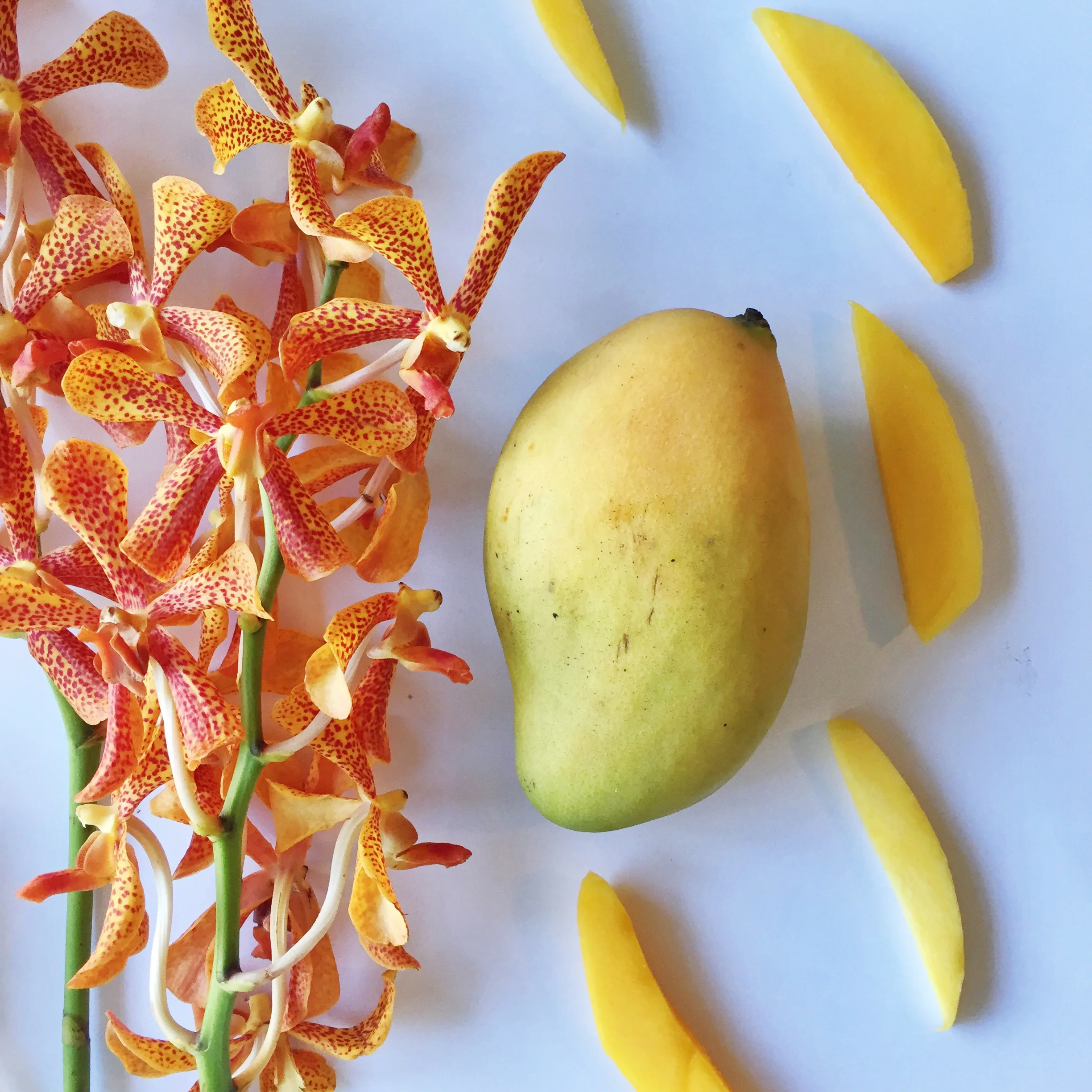
This week we’re all about Haitian mangoes, (also known as Madame Francis mangoes) which in our opinion are the most underrated types of mangoes on the market. Though they’re ubiquitous throughout Haiti, they are exported to the U.S. for just a short window during the spring season. So if you’re reading this today it’s NOT too late.

Most people are familiar with mangoes indigenous to Mexico and South America. Don’t get us wrong, we love the entire mango family, but these Haitain guys are special. They have a sweet and intense tropical flavor that pretty much makes your mouth feel like it’s on vacation.

They’re recognizable because they are flatter and hold a more elongated shape than their mango cousins. When ripe, they take on a yellowish-gold color and become freckled with little black dots. Cut them in half and their insides are a vibrant orangey-yellow.

If you’re not sold yet, we’ll give you a brief mango-nutrition 101 to seal the deal:

1) Studies have suggested that mangoes play a protective role in eye health by filtering out harmful rays, thanks to its antioxidant power

2) Dietary beta-carotene, another component of the mango, may protect against certain types of cancer – namely prostate cancer

3) They’re rich in vitamins A and C, which help to keep hair strong and skin radiant, as vitamin C is required for collagen production

4) They’re a good source of fiber, which provides a host of digestive benefits

We think Haitian mangoes are awesome sliced fresh and served plain. But you can also get creative and prepare these mangoes in a salad, salsa, or smoothie. Below is a mango salsa recipe adapted from Martha Stewart that adds a sweet and spicy kick to any grilled fish.

Ingredients:

  • 1 mango, peeled, pitted and diced
  • 1/2 avocado, peeled, pitted and diced
  • 1 small red onion, diced small
  • 1/4 cup fresh cilantro, chopped finely
  • 1/2-1 habanero chile, minced (stem and seeds removed)
  • 2 tablespoons fresh lime juice
  • Salt and pepper to taste

Combine all ingredients and mix!

Aside from their health benefits, Haitian mangoes are simply really, really good. Trying new foods is always fun, so next time you’re in the grocery store, make it a point to ask where you can find a Francis mango. We can guarantee you won’t regret it.

mango-and-avocade-salsa-to.jpg

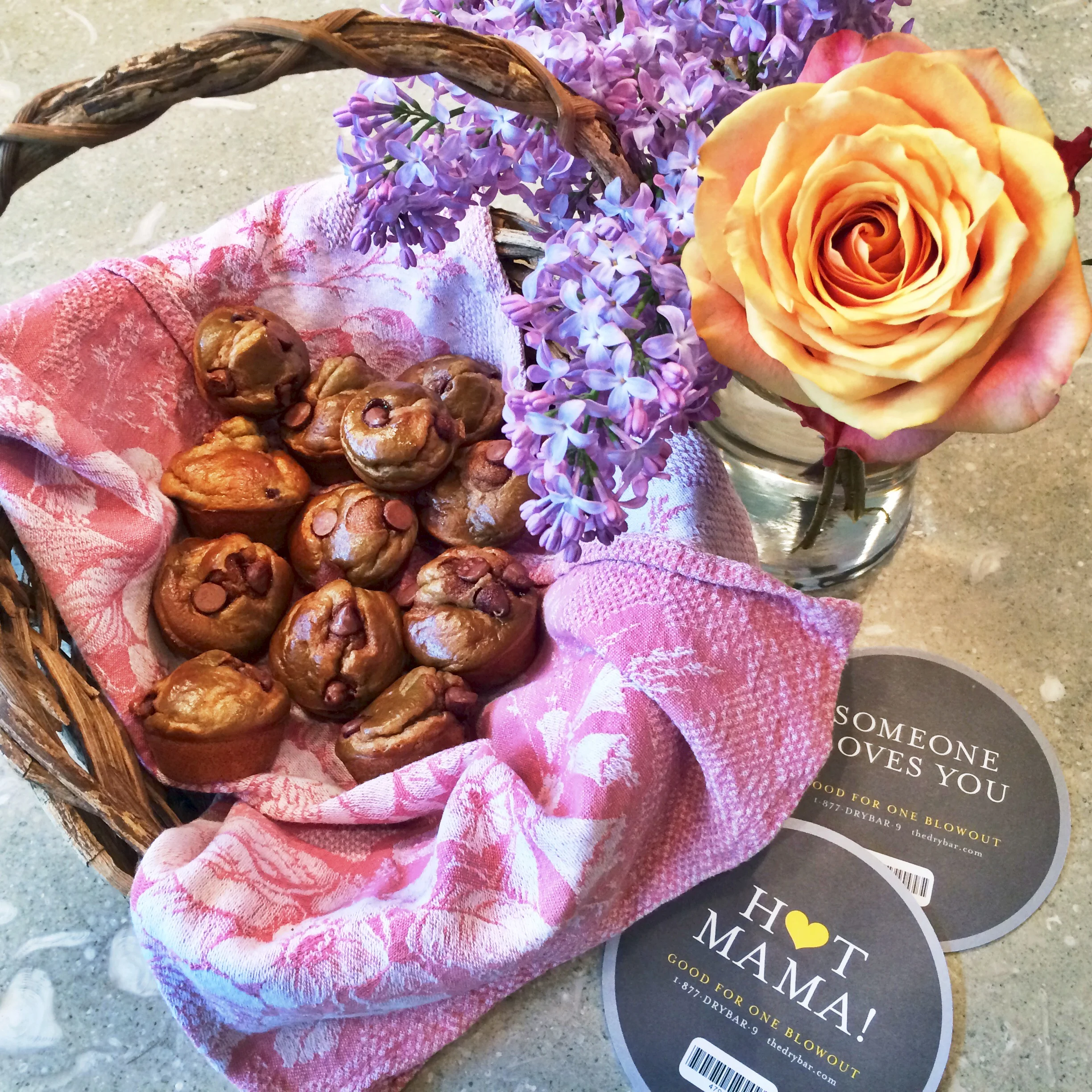
String beans for Mother's day... would be rude.

Though buttery, sugary, baked goods sound enticing, the hot mamas out there are trying to keep it clean-especially with Memorial Day around the corner. At Tovita, we're showing our moms some love with these flourless, low sugar, high-protein muffin bites. Muffins sans the consequent muffin top? Now that's how you become the favorite child! Here are the 4 easy steps:

mother's day muffin recipe

Ingredients:

  • 1 cup natural peanut butter
  • 2 large eggs
  • 2 medium sized very ripe bananas
  • 1 1/2 teaspoons baking soda
  • 1 teaspoon vanilla
  • 1 teaspoon chia or flax seeds
  • 2 tablespoons honey (optional)
  • Optional toppings: Dark chocolate chips or blueberries

Directions:

1. Preheat oven to 400 degrees

2. Place all ingredients besides toppings in a blender and blend until smooth

3. Pour into greased muffin pan and add toppings of choice

4. Bake for 9 minutes and let cool

Happy Mother's Day!